
Wedding Band vs Engagement Ring Buying Guide Before Marriage
Shopping for engagement rings and wedding bands represents one of the most significant jewelry purchases couples make. Understanding the differences between these two symbolic pieces helps buyers make informed decisions. This comprehensive guide clarifies purposes, timing, styles, and budgeting considerations for both rings.
Many couples feel confused about when to purchase each ring and how much to spend. Additionally, questions arise about matching styles and metal choices. This guide answers these common concerns while providing practical shopping advice.
Understanding the Fundamental Differences
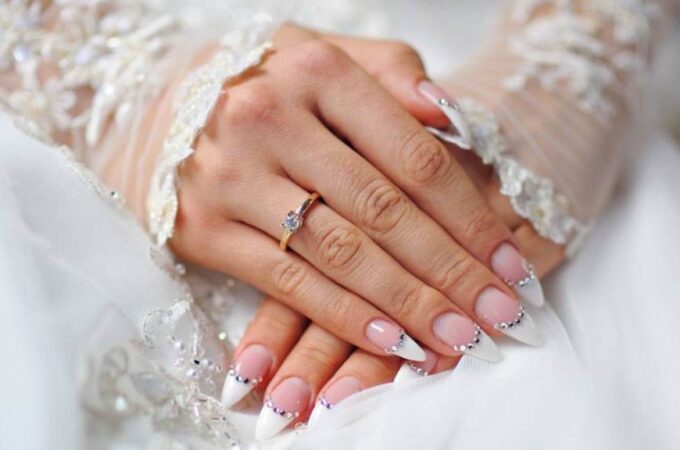
Engagement rings symbolize the promise to marry and typically feature a center stone. The proposing partner traditionally presents this ring during the proposal. Therefore, engagement rings usually arrive months or even years before the wedding ceremony.
Wedding bands represent the marriage commitment itself and are exchanged during the ceremony. These rings typically feature simpler designs without large center stones. Both partners usually wear wedding bands, creating matching or complementary sets.
The engagement ring generally costs more than the wedding band due to gemstones and intricate settings. Wedding bands focus on durability and timeless design for daily wear. However, modern couples increasingly customize both rings to reflect personal preferences.
Traditionally, women receive engagement rings while both partners exchange wedding bands. Contemporary couples often break from tradition with various arrangements. Some choose engagement rings for both partners, while others skip engagement rings entirely.
When to Purchase Each Ring
Engagement ring shopping begins before the proposal, obviously requiring advance planning. Most people shop for engagement rings one to three months before proposing. This timeline allows for custom designs, resizing, and ensuring the perfect choice.
Research potential styles and preferences before serious shopping begins. Notice which jewelry your partner wears and admires. Additionally, subtle conversations about preferences help narrow choices without ruining surprises.
Wedding band shopping typically starts three to six months before the ceremony. This timeline accommodates custom orders, engraving, and final sizing adjustments. Moreover, ordering early prevents last-minute stress and rush fees.
Some couples shop for wedding bands immediately after engagement to ensure matching sets. Others wait until closer to the wedding date when finances stabilize. Therefore, timing depends on individual circumstances and preferences.
Setting Your Budget for Both Rings
The traditional guideline suggesting three months’ salary for engagement rings remains widely discussed. However, this outdated rule doesn’t suit everyone’s financial situation. Modern couples base budgets on actual affordability and financial goals.
Engagement rings typically represent the larger investment, with average spending around $5,000 to $6,000 nationally. Wedding bands usually cost between $500 and $2,000 per ring. Nevertheless, beautiful options exist at every price point.
Create a combined budget for both rings rather than separate allocations. This approach provides flexibility to prioritize what matters most. Additionally, consider long-term financial goals like home ownership and wedding expenses.
Financing options include saving in advance, using credit responsibly, or choosing alternative gemstones. Lab-grown diamonds cost 40-60% less than natural diamonds with identical appearance. Therefore, budget-conscious couples explore various options before committing.
According to The Knot, engagement ring budgets vary significantly by region, personal income, and individual priorities, making personal financial comfort more important than arbitrary spending rules.
Choosing Engagement Ring Styles and Settings
Solitaire settings featuring single center stones remain timeless and popular choices. This classic design emphasizes the diamond or gemstone without distraction. Moreover, solitaires complement virtually any wedding band style.
Halo settings surround center stones with smaller diamonds, creating impressive visual impact. These settings make center stones appear larger while adding sparkle. However, halo designs require more maintenance to keep smaller stones secure.
Three-stone rings symbolize past, present, and future with meaningful representation. Side stones can match the center or offer complementary colors. Additionally, three-stone designs provide substantial presence without excessive cost.
Vintage and antique-inspired settings appeal to those seeking unique character. Art Deco, Victorian, and Edwardian styles offer distinctive details. Therefore, vintage settings suit couples wanting non-traditional aesthetics.
Selecting Wedding Band Styles
Classic plain metal bands offer timeless simplicity and durability. These traditional choices work well for people wanting understated elegance. Additionally, plain bands withstand daily wear without snagging or damage.
Diamond or gemstone-set wedding bands add sparkle coordinating with engagement rings. Channel-set diamonds sit flush within the band for protection. Alternatively, pave settings cover band surfaces with tiny diamonds.
Eternity bands feature stones encircling the entire ring for maximum brilliance. These luxurious bands symbolize endless love but limit future resizing. Therefore, ensure accurate sizing before ordering eternity bands.
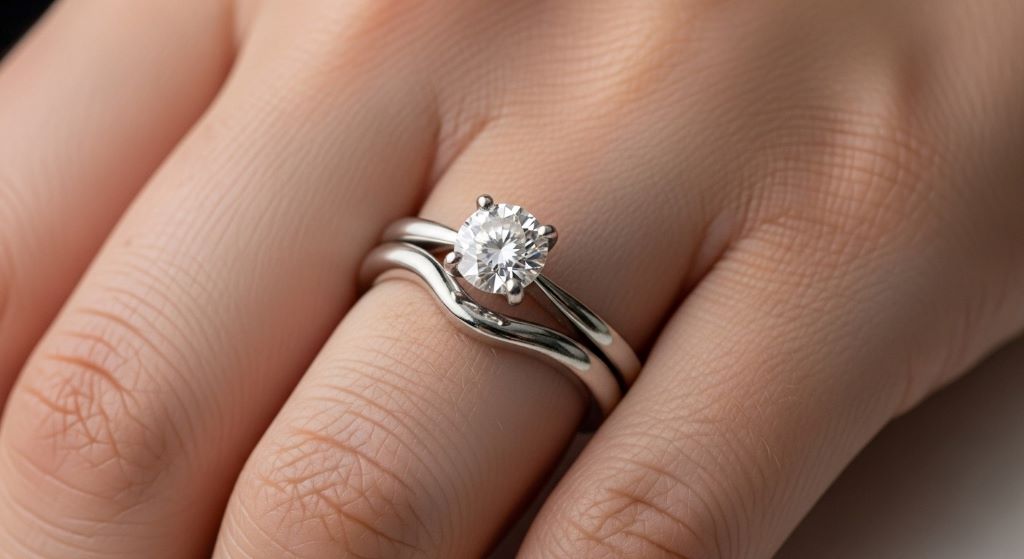
Contoured or curved wedding bands nestle against engagement rings without gaps. These shaped bands accommodate unique engagement ring settings perfectly. Moreover, jewelers can custom-design contours for seamless pairing.
Coordinating Metals Between Both Rings
Matching metals between engagement rings and wedding bands creates cohesive looks. Popular choices include platinum, white gold, yellow gold, and rose gold. Each metal offers distinct advantages for durability and appearance.
Platinum provides exceptional durability and hypoallergenic properties ideal for sensitive skin. This dense metal resists wear but develops a patina over time. However, platinum costs more than gold options.
White gold offers platinum’s appearance at lower cost through rhodium plating. This plating requires periodic renewal to maintain bright white finish. Additionally, white gold may cause reactions in nickel-sensitive individuals.
Yellow gold delivers classic warmth and traditional appeal that never dates. This metal suits various skin tones and complements colorful gemstones beautifully. Moreover, yellow gold requires less maintenance than white metals.
Rose gold provides romantic, vintage-inspired coloring increasingly popular with modern couples. The copper content creates distinctive pink hues while maintaining durability. Therefore, rose gold suits those wanting unique aesthetics.
Considering Gemstone Options Beyond Diamonds
Diamonds remain the most popular engagement ring center stone choice. These gems offer unmatched hardness, brilliance, and traditional symbolism. However, alternative gemstones provide distinctive beauty and value.
Sapphires rank second in hardness, making them excellent diamond alternatives. Available in blue, pink, yellow, and other colors, sapphires offer versatility. Additionally, royal associations add romantic historical connections.
Moissanite provides exceptional sparkle rivaling diamonds at fraction of cost. This lab-created gemstone offers nearly identical hardness and more fire than diamonds. Therefore, budget-conscious couples increasingly choose moissanite.
Emeralds, rubies, and other colored gemstones create unique, personalized engagement rings. These stones require more careful wear due to lower hardness. Moreover, colored gems express individual style beyond traditional choices.
According to Brides, alternative gemstones and non-traditional designs continue gaining popularity as couples prioritize personal meaning over convention.
Understanding Ring Sizing and Fit
Accurate sizing ensures comfortable daily wear and prevents loss. Professional jewelers measure ring size using calibrated tools. Additionally, fingers fluctuate with temperature and time of day.
Engagement rings should fit snugly enough to resist slipping but loose enough for comfortable removal. Wedding bands worn alone may fit slightly looser than engagement rings. However, stacked rings require coordinated sizing.
Schedule sizing appointments during moderate temperatures when fingers measure truest. Avoid measuring after exercise, alcohol consumption, or during pregnancy. Therefore, multiple measurements ensure accuracy.
Most rings allow resizing within two sizes up or down. Eternity bands and tension settings resist resizing completely. Moreover, resizing affects warranties and may require professional restoration.
Planning for Ring Insurance and Maintenance
Jewelry insurance protects significant investments against loss, theft, and damage. Separate policies or riders on homeowner’s insurance provide coverage. Additionally, insurance requires professional appraisals establishing replacement values.
Schedule annual inspections checking prong security and overall condition. Jewelers tighten loose stones and repair minor damage during routine maintenance. Moreover, professional cleaning restores brilliance better than home methods.
Proper storage prevents scratches and tangling when removing rings. Individual ring boxes or soft pouches protect precious jewelry. Therefore, establish safe storage habits immediately.
Remove rings during activities risking damage including heavy lifting, cleaning, and swimming. Chemical exposure from household cleaners degrades metals and stones. However, wearing rings regularly prevents loss from forgetting where you placed them.
Shopping at Different Retail Options
Traditional jewelry stores offer personalized service and viewing rings in person. Experienced staff provides education and helps navigate options. Additionally, established jewelers offer warranties and lifetime services.
Online retailers provide broader selections and competitive pricing due to lower overhead. Virtual try-on technology and generous return policies reduce purchase risks. However, buying sight unseen requires trusting descriptions and certifications.
Custom jewelers create unique rings matching exact specifications and preferences. This option suits couples wanting one-of-a-kind designs. Moreover, custom work allows controlling quality and incorporating meaningful details.
Antique and vintage dealers offer distinctive rings with historical character. Estate jewelry provides exceptional value and environmental benefits through reuse. Therefore, vintage shopping appeals to sustainability-conscious couples.
Timing Wedding Band Selection with Engagement
Some couples choose wedding bands immediately after engagement for coordinated designs. Early selection ensures metals match and styles complement perfectly. Additionally, purchasing together sometimes yields discounts.
Others wait until wedding planning progresses and budgets clarify. This approach allows flexibility adjusting spending based on other wedding costs. However, waiting risks limited selection during peak wedding seasons.
Ordering custom or engraved bands requires six to twelve weeks minimum. Rush orders incur additional fees and limit customization options. Therefore, plan ahead regardless of when you begin shopping.
Consider trying on various wedding band styles with the engagement ring before deciding. Some combinations look better together than anticipated, while others clash unexpectedly. Moreover, comfort matters as much as appearance for daily wear.
Incorporating Personal Meaning and Customization
Engraving adds personal touches through dates, initials, or meaningful phrases. Interior engraving keeps messages private while exterior engraving makes bold statements. Additionally, various fonts and symbols allow creative expression.
Birthstones representing birth months or anniversary dates personalize rings beyond diamonds. Side stones or hidden gems add color and meaning. Therefore, customization creates truly unique jewelry.
Family heirlooms incorporate sentimental value and family history into new rings. Resetting grandmother’s diamond or melting family gold reduces costs while honoring heritage. Moreover, heirloom jewelry carries emotional significance beyond monetary value.
Custom designs allow complete creative control over every detail. Work with jewelers translating ideas into reality through sketches and models. However, custom work requires larger budgets and longer timelines.
Conclusion
Understanding the differences between wedding bands and engagement rings helps couples make confident purchasing decisions. Engagement rings symbolize the promise to marry and typically feature prominent center stones, while wedding bands represent the marriage itself with simpler, durable designs. Budgeting realistically, timing purchases appropriately, and coordinating styles ensures satisfaction with both rings. Therefore, thorough research and thoughtful consideration create meaningful symbols you’ll treasure forever. Whether choosing traditional diamonds or alternative gemstones, matching metals or mixing styles, the perfect rings reflect your unique relationship and commitment.
Frequently Asked Questions
Should I buy the engagement ring and wedding band at the same time?
Buying together isn’t necessary, though it ensures perfect coordination and may offer bundle discounts. Most couples purchase engagement rings first and wedding bands three to six months before the ceremony. This approach allows budgeting flexibility and prevents rushing decisions.
How much should I spend on a wedding band compared to an engagement ring?
Wedding bands typically cost 10-20% of the engagement ring price, averaging $500 to $2,000 per band. However, spending depends on design complexity, metal choice, and gemstones. Focus on quality and comfort rather than arbitrary percentages.
Can wedding bands and engagement rings be different metals?
Yes, mixed metals create interesting contrasts, though matching metals ensure cohesive appearance. White gold engagement rings can pair with yellow or rose gold wedding bands. However, different hardness levels cause uneven wear when rings constantly touch.
Do both partners need engagement rings?
Traditional etiquette involves one engagement ring, but modern couples create their own traditions. Some exchange engagement rings for both partners, while others skip engagement rings entirely. Choose arrangements reflecting your relationship values and preferences.
When should I get my engagement ring sized for the wedding band?
If wearing bands together, bring your engagement ring when selecting wedding bands to ensure proper fit. Some couples resize engagement rings after weddings to accommodate bands comfortably. Schedule final sizing adjustments two weeks before the ceremony.
Related Topics:
Creative Ways to Personalize and Style Wedding Dress
What Size Crochet Hook for Wedding Dress Buttons
James Barnes

James Barnes is an experienced wedding organizer and blogger at Theannexevents.com. He specialized in organizing outdoor wedding events. When he isn’t writing about weddings and marital life, David usually goes swimming or playing squash.